 Reviews



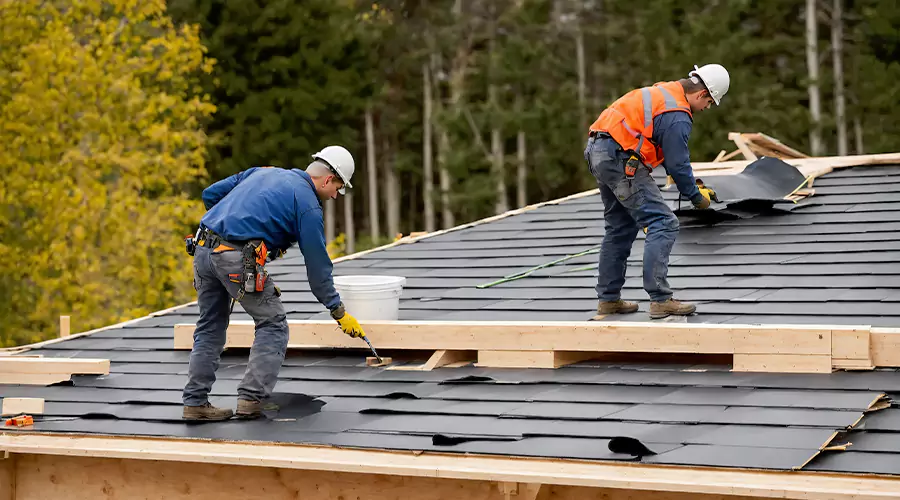
Homeowners should schedule roof maintenance at least once a year, and ideally twice a year if the home is in an area with heavy storms, strong winds, hail, snow, or many trees nearby. Regular roof maintenance helps catch small problems before they turn into leaks, structural damage, mold growth, or expensive roof repairs.
A roof protects the entire home, but it is exposed to sun, rain, wind, debris, moisture, and temperature changes every day. Even a well-installed roof needs routine care to stay in good condition. Missing shingles, loose flashing, clogged gutters, cracked sealant, and small leaks can become serious if they are ignored for too long.
The best roof maintenance schedule depends on your roof age, roofing material, local weather, tree coverage, and past repair history.
Quick Answer: How Often Is Roof Maintenance Needed?
Most homeowners should schedule professional roof maintenance once every year. Homes in storm-prone areas, wooded areas, or areas with heavy seasonal weather may need maintenance twice a year.
A good general schedule is:
- Once a year for most residential roofs
- Twice a year for older roofs or storm-prone homes
- After major wind, hail, or heavy rain events
- After a tree branch falls near or on the roof
- Before winter in colder climates
- Before rainy season in wet climates
- Before hurricane or severe storm season where applicable
Regular maintenance helps extend roof life and gives homeowners more control over repair costs.
Why Roof Maintenance Matters?
Roof maintenance is important because many roofing problems start small. A loose shingle, cracked pipe boot, lifted flashing, or clogged gutter may not seem urgent at first. Over time, these problems can allow water to enter the roof system.
Once water gets under the roofing materials, it can damage roof decking, attic insulation, drywall, ceilings, and wood framing. Moisture can also create mold and mildew concerns inside the home.
Routine roof maintenance helps prevent:
- Roof leaks
- Water stains on ceilings
- Rotted roof decking
- Mold growth in attic spaces
- Loose or missing shingles
- Gutter overflow
- Damage around vents and chimneys
- Early roof replacement
A maintained roof usually performs better and lasts longer than a roof that is only checked after a leak appears.
Best Times of Year to Schedule Roof Maintenance
The best times for roof maintenance are usually spring and fall. These seasons allow homeowners to prepare for harsher weather and repair damage from previous seasons.
Spring Roof Maintenance
Spring maintenance helps check for damage after winter storms, heavy rain, snow, ice, or strong winds. This is a good time to inspect shingles, flashing, gutters, attic ventilation, and roof penetrations.
Spring is also useful because warmer weather makes it easier to complete small repairs before summer heat or storm season.
Fall Roof Maintenance
Fall maintenance helps prepare the roof for winter, heavy rain, or colder weather. Leaves, branches, and debris often collect in gutters and roof valleys during fall. If that debris is not removed, water can back up and cause leaks.
Fall is also a smart time to check flashing, sealant, vents, and drainage before the roof faces harsher seasonal conditions.
When Roof Maintenance Should Be Scheduled Immediately?
Annual maintenance is helpful, but some situations require faster attention. If a storm or visible damage occurs, do not wait until the next scheduled inspection.
Schedule roof maintenance or inspection right away if you notice:
- Missing shingles
- Shingles lifting or curling
- Water stains on ceilings
- Granules in gutters
- Damaged flashing
- A sagging roofline
- Loose roof vents
- Tree branches on the roof
- Dripping water in the attic
- Mold or musty smells indoors
These signs may point to active damage that needs repair before it spreads.
Roof Age and Maintenance Frequency
Roof age plays a major role in how often maintenance is needed. A newer roof may only need an annual inspection if it was installed properly and has no storm damage. An older roof should be checked more often because materials naturally weaken over time.
For newer roofs, yearly maintenance can help confirm that shingles, flashing, gutters, and vents are still performing well. It also helps protect the roof warranty by keeping maintenance records.
For roofs over 10 to 15 years old, twice-a-year inspections may be better. Older shingles can become brittle, lose granules, lift at the edges, or develop weak spots around fasteners and flashing.
If your roof has had repeated leaks or repairs, schedule maintenance more often. Past problems can return if the underlying cause was not fully corrected.
What Is Included in Roof Maintenance?
A professional roof maintenance visit usually includes a full visual inspection and basic care recommendations. The exact service may depend on the contractor and the condition of the roof.
Common roof maintenance tasks include:
- Checking shingles for cracks, curling, or missing pieces
- Inspecting flashing around chimneys, walls, and skylights
- Checking pipe boots and roof vents
- Looking for soft spots or sagging areas
- Inspecting gutters and downspouts
- Removing light debris from roof valleys
- Checking attic signs of leaks or moisture
- Reviewing sealant around roof penetrations
- Looking for storm or hail damage
- Recommending needed repairs
The goal is to find weak points before water enters the home.
Can Homeowners Do Roof Maintenance Themselves?
Homeowners can handle some basic roof care from the ground, but roof climbing should be avoided unless they have proper training and safety equipment. Wet, steep, damaged, or high roofs can be dangerous.
Homeowners can safely do simple tasks like:
- Looking for missing shingles from the ground
- Checking ceilings for stains
- Cleaning visible debris from ground-level gutters if safe
- Trimming branches away from the roof
- Watching for granules near downspouts
- Taking photos after storms
A professional roofer should handle roof surface inspections, flashing checks, leak diagnosis, and repair work.
Roof Maintenance Checklist for Homeowners
- Schedule a professional roof inspection once a year
- Add a second inspection if your roof is older or storm-exposed
- Check the attic after heavy rain
- Clean gutters and downspouts regularly
- Trim tree branches near the roof
- Look for missing or lifted shingles after storms
- Save photos and inspection reports
- Repair small issues quickly
- Review roof condition before winter or rainy season
- Keep maintenance records for insurance and warranty purposes
What Happens If Roof Maintenance Is Ignored?
Ignoring roof maintenance can lead to costly damage. Small leaks may spread into insulation, walls, ceilings, and roof decking. Clogged gutters can force water under shingles or behind fascia boards. Loose flashing can allow moisture around chimneys, skylights, and wall joints.
Over time, skipped maintenance may cause:
- More frequent leaks
- Higher repair costs
- Shorter roof lifespan
- Mold and moisture problems
- Interior drywall damage
- Weakened roof decking
- Insurance claim complications
Insurance companies may also question claims if the damage appears to come from neglect instead of a sudden covered event.
Final Thoughts
Homeowners should schedule roof maintenance at least once a year. Twice-a-year maintenance is a smart choice for older roofs, storm-prone homes, wooded properties, and roofs with a history of leaks. Spring and fall are usually the best seasons for routine maintenance.
Regular roof care helps protect your home, extend roof life, and reduce the chance of emergency repairs. By checking the roof before problems spread, homeowners can save money and keep their roofing system ready for changing weather.